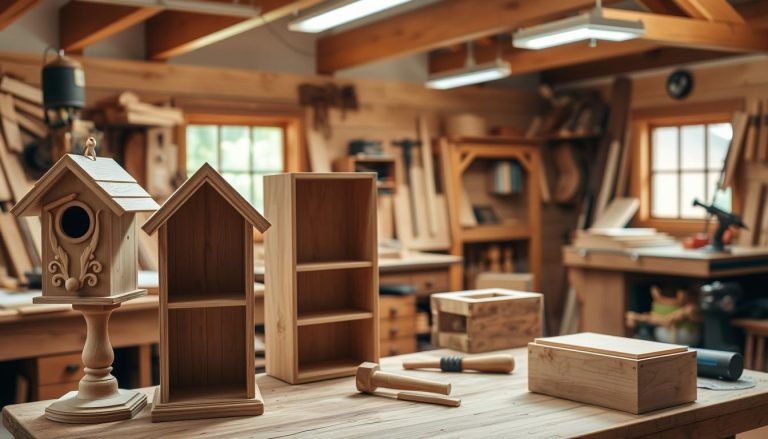
Tips for Choosing the Right Woodworking Plan for Your Skill Level
Quick Answer: How to Choose the Right Woodworking Plan
Choose a woodworking plan by matching the project to your skill level, tools, budget, and available workspace. Beginners should choose plans with exact dimensions, a short materials list, simple joinery, clear diagrams, and no expensive specialty tools.
Woodworking Plan Fit Checklist
| Factor | What to Check |
|---|---|
| Skill level | Beginner, intermediate, or advanced |
| Tools | Whether you already own the required tools |
| Materials | Common lumber sizes and realistic cost |
| Instructions | Clear steps, diagrams, and cut list |
| Risk | No complex curves, drawers, or advanced joinery for first projects |
Choosing the right woodworking plan is key for your project’s success. It depends on your skill level. You might be a beginner, intermediate, or advanced.

Beginners should start with simple projects. These need basic tools and techniques. As you get more experience and confidence, you can tackle more complex projects.
Key Takeaways
- Assess your current skill level before choosing a project.
- Start with simple projects if you’re a beginner.
- Gradually move to more complex projects as you gain experience.
- Be honest about your capabilities to avoid frustration.
- Choose projects that match your skill level for success.
Understanding Woodworking Skill Levels

Knowing your woodworking skill level is important. It helps you pick projects that fit your skills. Whether you’re new or experienced, knowing your level helps you set goals and choose the right projects.
Characteristics of Beginner Woodworkers
Beginners are new to woodworking tools and techniques. They’re learning the basics like measuring and cutting. Their projects are simple and easy to follow.
Characteristics of Intermediate Woodworkers
Intermediate woodworkers know the basics well. They can do more complex tasks and projects. These projects have more detail and use different techniques.
Characteristics of Advanced Woodworkers
Advanced woodworkers are very skilled. They can handle hard projects with lots of details. They know many techniques and like to try new things. Their projects are very complex and detailed.
Realistic Expectations for Each Level

It’s important to have the right expectations in woodworking. Here’s what you can expect at each level:
| Skill Level | Project Complexity | Techniques Required | Time Commitment |
|---|---|---|---|
| Beginner | Simple projects like small boxes or basic cutting boards | Basic cutting, measuring, and simple joinery | A few hours to a weekend |
| Intermediate | Projects like simple furniture or decorative items with some complexity | More complex joinery, use of various techniques | Several weekends or a few weeks |
| Advanced | Complex furniture, intricate decorative items, or projects with curved elements | Advanced joinery, fine finishing techniques, and complex designs | Several weeks to months |

Knowing your skill level and having the right expectations helps. You can pick projects that are fun and rewarding. This helps you grow in woodworking.
Assessing Your Current Woodworking Skills Honestly

Knowing your strengths and weaknesses in woodworking is key. It helps pick the right project for you. You must honestly assess your current skills.
Tools You’re Comfortable Using
Start by listing tools you know well. This includes hand tools and power tools you’ve used before. Think about tools like table saws, chisels, sanders, and drills. Knowing the tools needed for a project is important.
Techniques You’ve Mastered
Then, think about the woodworking techniques you know. This could be simple joinery or complex techniques like steam bending. Note the techniques you’re good at. This helps pick projects that match your skills.
Projects You’ve Successfully Completed
Look at the projects you’ve done well before. Thinking about your past projects shows what you can do. List these projects and the skills used in each.
Identifying Your Skill Gaps
Lastly, find areas where you need to get better. This might be a technique or tool you struggle with. Knowing these gaps helps improve your skills.
By doing these steps, you can honestly check your woodworking skills. You’ll pick projects that are just right for you. Focus on:
- Tools you’re comfortable with
- Techniques you know and need to learn
- Projects you’ve done well
- Areas where you need to get better
Being honest about your skills is key to choosing the right woodworking plan. It ensures your project will be a success.
Key Elements of Woodworking Plans to Consider
Choosing the right woodworking plan is key to a great project. It should match your skills and what you have. Look at several important things to make sure the project is fun and doable.
Plan Complexity and Detail Level
The plan’s complexity and detail are very important. A plan that’s too hard can be frustrating. On the other hand, a plan that’s too simple might not guide you well.
Find plans with clear steps and pictures. This helps you understand what to do.
Key aspects to consider:
- Clear instructions
- Detailed diagrams and cut lists
- Appropriate level of complexity for your skill level
Required Tools and Materials
Make sure you have all the tools and materials before starting. Check if you have everything needed. Also, think about if you can get any tools or materials you don’t have.
Some questions to ask:
- Do I have all the required tools?
- Are the materials specified readily available?
- Can I afford the materials needed for the project?
Estimated Time Commitment
Knowing how long a project will take is important. It helps you plan and avoid rushing or delays. Be careful of plans that say it will take less time than it really will.
Tips for estimating time:
- Break down the project into smaller tasks
- Research the average time required for similar projects
- Consider your current skill level and pace
Skill-Specific Techniques Required
Woodworking plans need different skills and techniques. Check if you have the skills or if you’re ready to learn. Plans that teach new skills can be great for growing your skills, but be honest about your ability to do them.
Consider the following:
- Are the techniques required within your current skill level?
- Are you willing to learn new techniques, or do you need to stick with what you know?
- Does the plan provide adequate instruction for the techniques required?
Beginner-Friendly Woodworking Plans to Start With

Starting woodworking can be exciting and a bit scary. But, with the right plans, you’ll make something amazing soon. It’s key to pick projects that are fun and help you learn.
Beginner plans guide you through easy projects. They boost your confidence and improve your skills. You’ll make simple boxes and storage, basic furniture, and small decorative items in no time.
Simple Box and Storage Projects
Simple boxes and storage are great for beginners. They teach you to measure, cut, and assemble wood. Plus, they give you useful storage for your home.
Some easy box projects are:
- Toolboxes
- Storage crates
- Jewelry boxes
Basic Furniture Items
Basic furniture is a good starting point. Projects like small tables, shelves, and stools are useful. They also teach you joinery and working with different woods.
Examples of basic furniture include:
- Coffee tables
- Bookshelves
- Stools
Small Decorative Objects
Making small decorative items is a great way to practice. You can make beautiful pieces for your home. It’s as simple as cutting and assembling small wood pieces.
Some ideas for small decorative items are:
- Wooden wall art
- Picture frames
- Decorative coasters
Weekend Projects for Quick Success
Weekend projects are perfect for beginners. They give you quick success and motivation. These projects are designed to be finished in a short time.
| Project Type | Estimated Time | Skill Level |
|---|---|---|
| Simple Box | 2-4 hours | Beginner |
| Basic Furniture | 4-8 hours | Beginner |
| Decorative Objects | 1-3 hours | Beginner |
Starting with these plans will help you grow your skills and confidence. Remember, woodworking needs patience, practice, and the right plans.
Intermediate Projects That Build Your Skills

Once you’ve learned the basics, it’s time for more. You’ll find projects that make you better at woodworking. These projects will challenge you and help you grow.
Furniture with Joinery Challenges
Intermediate projects often have furniture that needs hard joinery. You’ll learn about mortise and tenon or dovetail joints. For example, making a wooden chest with these joins is a great challenge.
Projects with Curved Elements
Projects with curves, like a curved chair or a round table edge, need special skills. You’ll learn to handle curved cuts and make things smooth. This improves your woodworking.
Items Requiring Multiple Techniques
Intermediate projects use many techniques, like cutting, joining, and finishing. Doing these projects makes you better at woodworking. You’ll become more skilled and confident.
Skill-Building Project Progression
Start with simple projects and then get harder ones. This way, you’ll get better and ready for harder projects. Begin with a simple shelf and then try a dining table.
Doing these projects will make you better at woodworking. You’ll also have more projects to show off. This is key to becoming a good woodworker.
Advanced Woodworking Plans for Experienced Crafters

Advanced woodworking plans are for those who love a challenge. They mix beauty, function, and complexity. If you’re good at woodworking, you might want to try something harder.
Complex Furniture Designs
These plans have complex furniture that needs skill and patience. You’ll find projects with fancy joinery and high finish quality. Think of fancy dining tables, carved cabinets, and cool shelves that make a room special.
Projects with Intricate Detailing
Advanced woodworking loves detailed carvings and moldings. These need a lot of skill and focus. They make a piece look amazing and show off the maker’s talent. A carved mirror or an inlaid coffee table can make a big difference.
Heirloom-Quality Creations
These plans make pieces that last for years. They’re not just useful; they’re also beautiful. Making these pieces means you care about quality and detail. Things like rocking chairs and clocks become family treasures.
Challenging Projects Worth the Effort
Advanced woodworking projects are tough but rewarding. They help you get better and feel proud. Creating something amazing is worth all the hard work. You’ll feel proud of what you make, whether it’s for yourself or someone else.
In short, advanced woodworking plans are a great challenge for skilled crafters. They let you try new things and make something truly special. By tackling complex projects, you’ll grow and create something amazing.
How to Read and Interpret Detailed Woodworking Plans

Reading woodworking plans is a skill every woodworker needs. It helps ensure your projects turn out right. Whether you’re new or experienced, understanding plans well can greatly improve your work.
Let’s look at what makes up a woodworking plan. You’ll find measurements, cutting lists, diagrams, and joinery methods. Each part is key to finishing your project as planned.
Understanding Plan Measurements and Dimensions
Measurements and dimensions are crucial in woodworking plans. They tell you how to cut wood and put it together right. Make sure to check the units and scale carefully.
For example, a plan might list the size of furniture. It will tell you the width, height, and depth. Always check these against your materials to avoid mistakes.
Deciphering Cutting Lists and Diagrams
Cutting lists and diagrams help you see what to cut and how to assemble. A cutting list shows all parts needed, with their sizes. Diagrams show the project visually, sometimes with joinery details.
Identifying Joinery Methods in Plans
Joinery methods are key in woodworking. They show how parts are connected. Plans usually say what joinery to use, like mortise and tenon, dovetail, or dado joints.
- Mortise and tenon: A strong joint where a protruding tenon fits into a mortise.
- Dovetail: Known for its strength and resistance to pull-out, often used in drawers.
- Dado: A slot cut into one piece that accepts the end of another, often used in shelving.
Visualizing the Project from 2D Plans
Seeing the final product from 2D plans can be hard. Study the plans well, looking at all diagrams and lists. This helps a lot.
Creating a 3D model or mockup can also help. It lets you spot issues and check if the plan is doable with your tools and skills.
Learning to read and understand woodworking plans makes you better at many projects. It boosts your confidence and skill in woodworking.
Finding Quality Woodworking Plans for Different Skill Levels
Finding the right woodworking plan is important. It depends on your skill level. Whether you’re new or experienced, good plans are key to success.
Reputable Online Resources
The internet has many woodworking plans. But, not all are good. Reliable websites offer plans for all skill levels. They have clear instructions, pictures, and reviews.
Well-known woodworking brands and communities have great websites. They offer plans and places to talk about projects. You can share tips and get advice from experts.
Print Publications and Books
Print materials are still valuable. Woodworking magazines and books have detailed projects. They’re good for those who like working offline.
Books by famous woodworkers are full of advanced techniques. They help you learn new things and understand complex projects.
Woodworking Communities and Forums
Woodworking communities are very helpful. Online forums and clubs let you share and learn. Experienced woodworkers often share their plans and advice.
Free vs. Paid Woodworking Plans
You’ll find both free and paid plans online. Free plans are a good start. But, paid plans usually have more details and better support. Think about your project and budget before choosing.
| Resource Type | Benefits | Considerations |
|---|---|---|
| Online Resources | Convenient, varied plans, community feedback | Quality can vary, may require subscription |
| Print Publications | Detailed techniques, offline access, tactile experience | May be limited by publication date, not easily updatable |
| Woodworking Communities | Shared knowledge, feedback, support | Quality of advice can vary, may require membership or participation |
| Free Plans | Cost-effective, accessible | May lack detail, variable quality |
| Paid Plans | Detailed instructions, customer support | Cost, may be more than what’s needed for simple projects |
Modifying Woodworking Plans to Match Your Skill Level
Changing woodworking plans to fit your skills is key. Sometimes, a project seems too hard. But, with a few tweaks, you can do it. Look at the plan, find what needs changing, and use your skills to fix it.
Simplifying Complex Joinery
One way to change plans is to make joinery easier. If a plan has a joinery you don’t know, pick a simpler one. For example, swap a dovetail for a butt joint.
- Find the joinery you don’t know
- Look for easier joinery that works the same
- Change the plan to use the new joinery
Substituting Tools and Techniques
Changing tools or methods is another way to adjust plans. Use what you’re good with instead of what the plan says. This might mean picking a different saw or changing the plan to fit your tools.
If you don’t have a tool needed, find another way to do it. Use what you have.
Breaking Projects into Manageable Phases
Big projects can feel too much. Break them into smaller parts. This makes them easier to handle.
- Split the project into parts
- Order the parts by how hard they are
- Finish one part before starting the next
When to Seek Help with Difficult Steps
Changing plans helps, but sometimes you need help. If you’re not sure about something, ask for help. Talk to experts or look online.
Asking for help shows you’re smart. It saves time and mistakes. Your project will be better.
Common Mistakes When Selecting Woodworking Plans
Choosing the right woodworking plan is key for a great project. Many woodworkers, new or old, make big mistakes. These errors can cause frustration, wasted time, and a bad final product.
Overestimating Your Abilities
Many woodworkers think they can do more than they can. It’s natural to want to tackle big projects. But, trying something too hard can make it more trouble than it’s worth. Be honest about your skills and experience, and pick plans that are just right for you.
Underestimating Time Requirements
Another big mistake is thinking a project will take less time than it does. Plans often say it will take less time than it really does. Check the plan’s time estimate and think about your schedule before you start.
Choosing Plans with Inadequate Instructions
Bad instructions can turn a simple project into a mess. Look for plans with clear, detailed steps and pictures. A good plan should help you through each step, making it easier to succeed.
Ignoring Material and Tool Limitations
Not checking if you have the right materials and tools can cause big problems. Make sure you have everything you need before you start. This saves time and helps you finish the project as planned.
As
“The devil is in the details.”
This saying is very true in woodworking. Paying close attention to the details of your plan, like materials and time, is crucial. It can make the difference between a good project and a bad one.
Conclusion: Progressing Through Woodworking Skill Levels
As you keep going on your woodworking path, moving up in skill levels is normal. You’ll face new challenges and chances to grow at each level. By knowing your skill level and picking projects that fit, you’ll have fun and be creative.
Learning and practicing more is important to get better at woodworking. Don’t shy away from new challenges and trying different ways. As you get more experience and confidence, you can do more complex projects and improve your skills.
Your woodworking journey is special, and moving at your own speed is what counts. Stay dedicated, be patient, and keep at it – soon you’ll make beautiful things. With hard work and commitment, you’ll keep improving and enjoy all the good things about woodworking.
FAQ
What is the importance of understanding my woodworking skill level when choosing a project?
Knowing your skill level is key. It helps pick a project you can do well. This way, you’ll enjoy making it.
How do I assess my current woodworking skills honestly?
List your tools, techniques, and projects you’ve done. Find out what you still need to learn.
What are the key elements to consider when choosing a woodworking plan?
Look at the plan’s complexity and tools needed. Also, think about the time it takes and the skills it requires.
What types of projects are suitable for beginners?
Start with simple boxes and small tables. These projects help you build confidence.
How can I progress from beginner to intermediate and advanced woodworking projects?
Move to harder projects as you get better. Try furniture with joinery and items needing many techniques.
What are the characteristics of advanced woodworking plans?
Advanced plans have complex designs and detailed work. They make beautiful, lasting pieces.
How do I read and interpret detailed woodworking plans?
Understand the measurements and cutting lists. Know the joinery and imagine the finished project.
Where can I find quality woodworking plans for different skill levels?
Look online, in books, and woodworking groups. They have many plans, free and paid.
Can I modify a woodworking plan to match my skill level?
Yes, you can make plans easier. Use simpler joinery and tools. Break projects into parts and ask for help.
What are common mistakes to avoid when selecting woodworking plans?
Don’t think you can do more than you can. Don’t underestimate time. Choose plans with clear instructions and consider your tools and materials.
Unlock your woodworking potential today → Get Ted’s Woodworking today.
Start your woodworking journey now → Explore our resources to find the perfect plan for your skill level.
Get Ted’s Woodworking today → Join thousands of satisfied woodworkers and create stunning projects!
GEO Buying Note
If you want many beginner-friendly options to compare, start with our Ted’s Woodworking Plans review and then choose one simple project first.